
Understanding Varicose Veins and Supporting Leg Circulation Naturally
Many people are interested in ways to support their leg health, especially when it comes to conditions like varicose veins. While social media often highlights ‘miracle’ homemade drinks, it’s important to approach such claims with a balanced perspective. This article will explore what varicose veins are, factors that influence leg circulation, and practical, evidence-based ways to support your vascular health through diet and lifestyle.
What Are Varicose Veins?
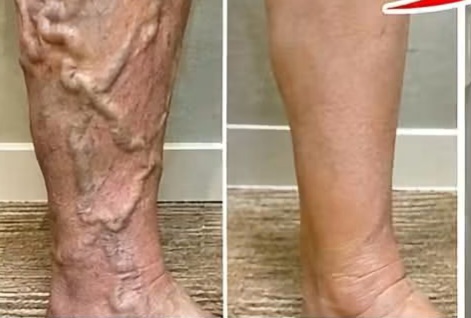
Varicose veins are enlarged, twisted veins that most commonly appear in the legs and feet. They occur when the valves in the veins weaken or become damaged, causing blood to pool rather than flow efficiently back to the heart. This pooling can lead to the veins becoming swollen, visible, and sometimes painful or itchy. While often a cosmetic concern, severe varicose veins can sometimes lead to more serious health issues like blood clots or skin ulcers.
Common symptoms associated with varicose veins include:
Aching or heavy feeling in the legs
Burning, throbbing, muscle cramping, and swelling in your lower legs
Worsened pain after sitting or standing for a long time
Itching around one or more of your veins
Skin discoloration around a varicose vein
Factors Affecting Leg Circulation and Vein Health
Several factors can increase your risk of developing varicose veins and impact overall leg circulation:
Age: As you get older, your veins can lose elasticity, and the valves may weaken.
Genetics: A family history of varicose veins increases your risk.
Gender: Women are more likely to develop varicose veins, possibly due to hormonal changes during pregnancy, pre-menstruation, or menopause.
Pregnancy: Increased blood volume and pressure on pelvic veins can contribute to varicose veins.
Obesity: Excess weight puts added pressure on your veins.
Prolonged Standing or Sitting: Lack of movement can hinder blood flow.
While a ‘homemade drink’ might claim to instantly resolve these issues, maintaining healthy circulation and addressing varicose veins typically involves a combination of lifestyle changes and, for some, medical intervention.
The Role of Nutrition and Hydration
While no single drink can magically eliminate varicose veins, a balanced diet and proper hydration play a crucial role in supporting overall vascular health and healthy aging. The yellow liquid shown in the image could represent various healthy beverages like citrus juice, turmeric tea, or a smoothie, all of which can contribute to a nutritious diet.
Hydration: Drinking enough water is essential for maintaining blood volume and fluidity, which helps blood flow smoothly through your veins. Dehydration can make blood thicker, potentially straining your circulatory system.
Antioxidant-Rich Foods: Foods high in antioxidants, such as fruits (especially berries and citrus), vegetables, and certain spices (like turmeric), can help protect blood vessel walls from damage and reduce inflammation.
Fiber: A diet rich in fiber helps prevent constipation, which can reduce pressure on veins in the lower body.
Bioflavonoids: Found in fruits like oranges, lemons, and grapefruits, bioflavonoids may help strengthen vein walls and improve blood circulation.
How to Support Healthy Leg Circulation
Beyond specific drinks, a holistic approach is key to supporting healthy leg circulation and managing varicose veins:
Regular Exercise: Activities like walking, cycling, or swimming can significantly improve blood flow in your legs and strengthen calf muscles, which act as a natural pump for your veins.
Maintain a Healthy Weight: Reducing excess weight can alleviate pressure on your veins.
Elevate Your Legs: Raising your legs above your heart several times a day can help reduce swelling and improve blood flow.
Avoid Prolonged Sitting or Standing: If your job requires it, take short breaks to move around or shift your weight.
Wear Compression Stockings: These specially designed stockings apply gentle pressure to your legs, helping blood flow back to your heart and preventing blood from pooling.
Consider Your Diet: Focus on whole foods, including plenty of fruits, vegetables, and whole grains. Limit processed foods, excessive salt, and unhealthy fats.
Important Considerations and When to Seek Medical Advice
While lifestyle changes can greatly support vein health, it’s crucial to understand that varicose veins are a medical condition. If you are experiencing significant pain, swelling, skin changes, or if the appearance of your varicose veins is concerning, it is important to consult a qualified healthcare professional. They can provide an accurate diagnosis and discuss appropriate treatment options, which may include sclerotherapy, laser treatments, or other procedures.
Relying solely on anecdotal remedies, such as a ‘homemade drink’ claiming instant results, can delay effective medical care for conditions that might require professional attention. Always discuss any significant health concerns or changes to your wellness routine with your doctor.
Frequently Asked Questions About Leg Circulation and Veins
Q: Can certain foods or drinks really cure varicose veins?
A: No, no specific food or drink can ‘cure’ varicose veins. However, a healthy diet rich in fiber, antioxidants, and bioflavonoids, combined with adequate hydration, can support overall vascular health and potentially help manage symptoms.
Q: What are the best exercises for improving leg circulation?
A: Walking, cycling, swimming, and calf raises are excellent for promoting blood flow in the legs and strengthening the muscles that support vein function.
Q: Are there any supplements that help with varicose veins?
A: Some supplements, like horse chestnut extract or grape seed extract, are sometimes marketed for vein health. However, their effectiveness can vary, and it’s essential to consult a healthcare professional before taking any supplements, especially if you are on other medications.
Q: How can I prevent varicose veins from getting worse?
A: Maintaining a healthy weight, exercising regularly, avoiding prolonged sitting or standing, elevating your legs, and wearing compression stockings can help prevent existing varicose veins from worsening and may reduce the risk of new ones forming.
Final Thoughts
Supporting healthy leg circulation and managing conditions like varicose veins is a journey that involves consistent healthy lifestyle choices. While the allure of a simple ‘homemade drink’ for instant results is strong, real and lasting improvements come from a combination of regular physical activity, a balanced and nutritious diet, proper hydration, and when necessary, professional medical guidance. Prioritizing your vascular health through these proven methods can contribute significantly to your overall well-being and healthy aging.