
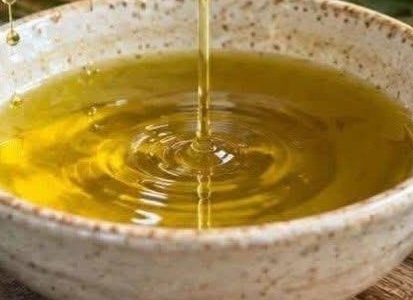
Olive oil has been an important part of traditional Mediterranean diets for centuries. Rich in monounsaturated fats and naturally occurring antioxidant compounds, extra virgin olive oil is widely valued for its role in a balanced, heart-healthy eating pattern.
Recently, social media posts have claimed that olive oil and other plant-based remedies can destroy cancer cells permanently in just 15 minutes. These claims have attracted attention from people seeking natural ways to protect their health.
However, it is important to distinguish between the nutritional benefits of olive oil and unproven claims about cancer treatment. There is no reliable clinical evidence that olive oil can eliminate cancer cells throughout the human body in 15 minutes or cure cancer on its own.
Understanding what olive oil can realistically offer, how to incorporate it into your diet, and which cancer prevention strategies have scientific support can help you make informed decisions.
1. Understanding the Nutritional Value of Extra Virgin Olive Oil
Extra virgin olive oil is produced from olives using mechanical processes without chemical refining. Because it undergoes relatively little processing, it retains many naturally occurring compounds.
Its nutritional components include:
Monounsaturated fats: These fats can help improve blood cholesterol levels when they replace saturated fats in the diet.
Polyphenols: These plant compounds have antioxidant and other biological activities.
Vitamin E: This nutrient contributes to the protection of cells against oxidative stress.
Oleocanthal and other phenolic compounds: These substances have attracted scientific interest because of their biological effects in laboratory studies.
The quantities of these compounds vary according to the olive variety, production method, storage conditions, and freshness of the oil.
Although these components contribute to olive oil’s nutritional value, their presence does not mean that consuming olive oil will directly destroy cancer cells in the human body.
2. What Does Research Say About Olive Oil and Cancer?
Researchers have investigated the relationship between olive oil consumption, dietary patterns, and several types of cancer.
Some observational studies have reported associations between Mediterranean-style diets and favorable health outcomes. However, these findings do not establish that olive oil alone prevents cancer or treats an existing tumor.
Laboratory experiments have also examined olive oil compounds and their effects on cancer cells under controlled conditions.
These experiments can help scientists identify potential mechanisms for future treatments, but results obtained in a laboratory cannot automatically be applied to humans. Concentrations that affect isolated cells may not be achievable through ordinary dietary consumption.
More clinical research is needed to determine the specific effects of individual olive oil compounds on cancer prevention and treatment.
3. Step-by-Step: How to Include Olive Oil in a Healthy Diet
Although olive oil is not a cancer cure, it can be incorporated into a nutritious eating pattern.
Step 1: Choose Extra Virgin Olive Oil
Extra virgin olive oil is a useful choice because it retains naturally occurring phenolic compounds.
Look for a reputable product stored in a sealed container and protected from excessive heat and light.
Step 2: Use Olive Oil in Salad Dressings
A simple homemade dressing is an easy way to include olive oil in your meals.
Ingredients:
1 tablespoon extra virgin olive oil
1 tablespoon fresh lemon juice
A small pinch of black pepper
A small amount of dried oregano, if desired
Instructions:
Pour the olive oil into a small bowl.
Add the fresh lemon juice.
Sprinkle in the black pepper and oregano.
Whisk the ingredients together until combined.
Drizzle over a fresh vegetable salad and serve.
This dressing provides flavor and unsaturated fats. It should not be regarded as a medicinal preparation or cancer treatment.
Step 3: Use Olive Oil Instead of Some Saturated Fats
Olive oil can replace butter or other fats high in saturated fat in many meals.
For example, you can use a modest amount when roasting vegetables, preparing beans, or cooking fish.
The potential cardiovascular benefit depends partly on what olive oil replaces in the overall diet.
Step 4: Combine Olive Oil With Other Nutritious Foods
A balanced Mediterranean-style eating pattern includes vegetables, fruits, legumes, whole grains, nuts, and suitable sources of protein.
Olive oil can complement these foods, but no single ingredient provides every nutrient needed for good health.
Step 5: Store the Oil Properly
Keep olive oil tightly closed in a cool, dark place away from direct sunlight and the stove.
Proper storage helps preserve its flavor and quality.
4. Four Practical Strategies for Reducing Cancer Risk
No lifestyle strategy can guarantee that a person will never develop cancer. Nevertheless, several measures have strong evidence supporting their role in reducing the risk of certain cancers.
Strategy 1: Avoid Tobacco
Tobacco use is a major preventable cause of cancer. Avoiding smoking and other tobacco products can substantially reduce the risk of several cancers.
Avoiding exposure to secondhand smoke is also beneficial.
Strategy 2: Maintain a Balanced Diet
Eat a variety of vegetables, fruits, legumes, and whole grains. Limit processed meat and avoid excessive consumption of highly processed foods.
A healthy dietary pattern supports general health, although no particular food can guarantee cancer prevention.
Strategy 3: Stay Physically Active
Regular physical activity helps support metabolic health and can reduce the risk of certain cancers.
Choose activities appropriate for your age, health, and physical abilities. Walking, cycling, swimming, and other moderate activities are practical options for many people.
Strategy 4: Follow Appropriate Screening Recommendations
Cancer screening can identify certain cancers or precancerous changes before symptoms develop.
The appropriate tests depend on age, sex, family history, personal risk factors, and national screening recommendations.
Discuss your individual screening needs with a qualified healthcare professional.
5. Can Olive Oil Replace Chemotherapy?
No. Olive oil cannot replace chemotherapy, surgery, radiotherapy, immunotherapy, or other evidence-based cancer treatments.
The appropriate treatment depends on the cancer’s type, location, stage, and other medical factors.
Although cancer treatments can have side effects and may be difficult to tolerate, they are selected because clinical evidence supports their use in specific circumstances.
People receiving cancer treatment may be able to include olive oil in their regular diet, depending on their nutritional needs and medical advice.
However, delaying or abandoning prescribed cancer treatment in favor of an unproven remedy can allow the disease to progress and reduce the chances of successful treatment.
Anyone considering herbal products or concentrated supplements during cancer treatment should discuss them with their oncology team because some products can interfere with medications.
6. Important Warning Signs That Require Medical Attention
Persistent or unexplained symptoms should not be ignored simply because a person is following a healthy diet.
Depending on the circumstances, symptoms that warrant medical assessment may include an unexplained lump, unusual bleeding, persistent changes in bowel habits, difficulty swallowing, or unexplained weight loss.
These symptoms can have many causes and do not automatically indicate cancer. A healthcare professional can determine whether further investigation is necessary.
People already diagnosed with cancer should follow their treatment plan and discuss new symptoms with their medical team.
7. Why Miracle Cancer Remedies on Social Media Can Be Misleading
Online posts sometimes use dramatic phrases such as “destroys every cancer cell,” “works in 15 minutes,” or “doctors don’t want you to know.”
Such claims often omit important details, including the quality of the evidence, the difference between laboratory experiments and human studies, and the possibility of serious side effects from delaying treatment.
A trustworthy health recommendation should explain what is known, what remains uncertain, and whether the treatment has been evaluated in appropriate clinical trials.
Natural ingredients can have genuine nutritional value without being effective cancer medicines.
Final Thoughts
Extra virgin olive oil is a nutritious source of monounsaturated fats and naturally occurring plant compounds. When used as part of a balanced Mediterranean-style diet, it can contribute to healthy eating habits.
However, there is no established evidence that olive oil permanently destroys cancer cells in 15 minutes or cures existing cancer.
The best approach is to combine healthy lifestyle choices with appropriate screening, professional medical advice, and evidence-based treatment when needed.
Olive oil can be part of a healthy diet, but it should never be presented as a substitute for proven cancer care.